Ultrasonic Algae Control - longterm & environmental friendly ☘️
The ultrasound method uses high-frequency sound waves (over 20 kHz) to disturb algae function with low power ultrasound. Depending on the frequency, gas vesicles in the algae can be stimulated to resonate, which leads to the release of gas. This reduces the algae to the bottom and die without releaseing toxins. The topic is explained in more detail on the science direct.


Ultrasound Sound waves above the range of human hearing, from 20 kHz.
.Water sound is distributed approx. 4.5 times faster than in the air.
Ultrasound is used to stop algae growth
No harm to aquatic life, plants, animals or humans
Low maintenance: once installed, the system works automatically
Chemical-free and environmentally safe
Ultrasound for algae control is an innovative, environmentally friendly method of effectively controlling algae growth in bodies of water such as ponds, lakes, water reservoirs or even in technical systems such as cooling water systems or ornamental fountains - without any chemical additives.
How it works
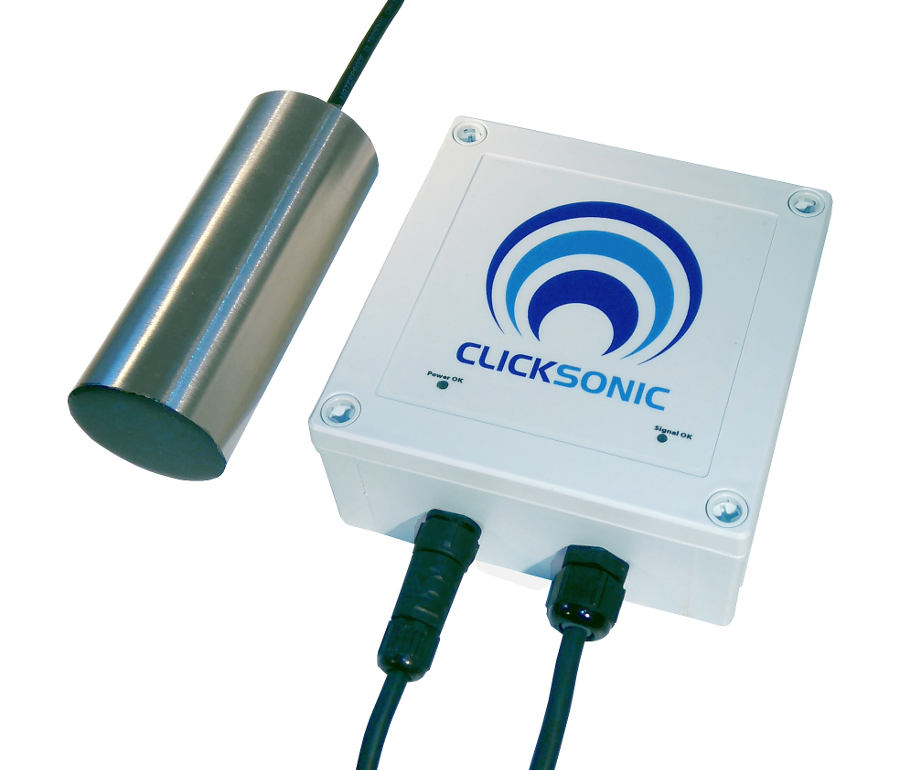
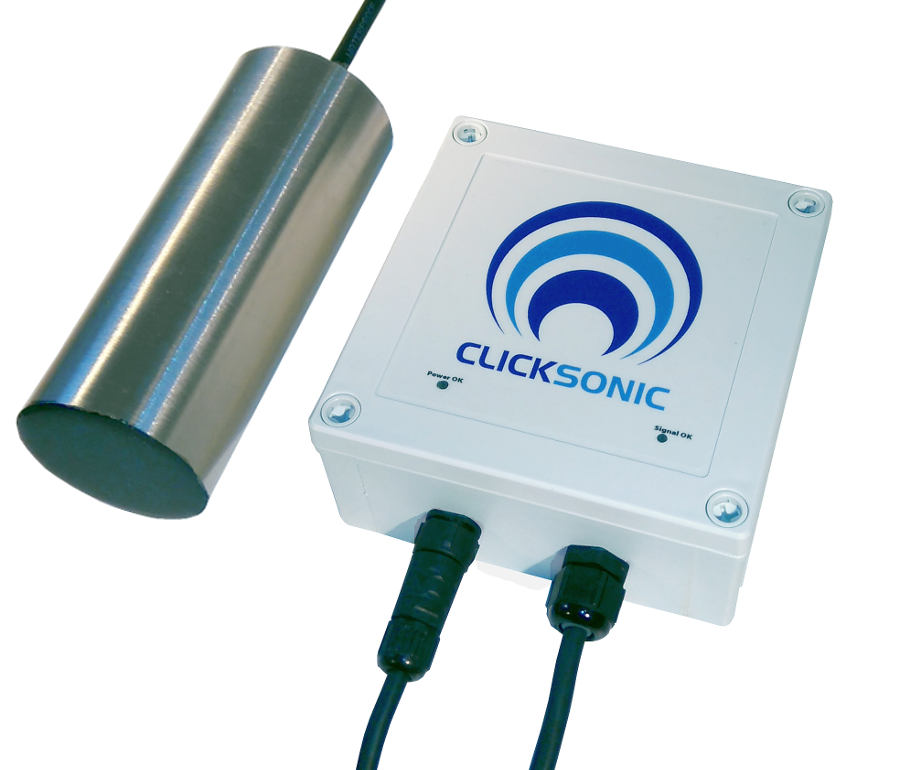
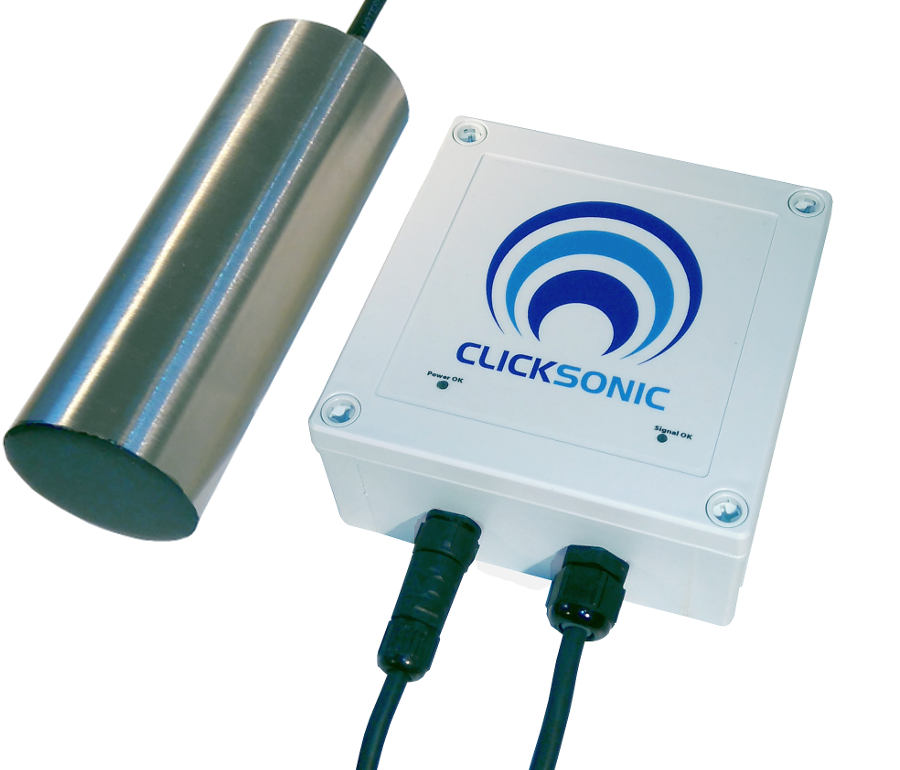
The method utilises high-frequency ultrasound waves that are emitted by a device installed in the water. These waves propagate in the water and disrupt certain cell processes in the algae, particularly in single-celled, floating algae species (such as cyanobacteria or green algae). The effect is:
- Mechanical: The ultrasound generates minimal pressure differences and micro-vibrations in the water, which can damage sensitive cell membranes of the algae.
- Biological: In many types of algae, the ability to photosynthesise is disrupted or the gas vacuole (in the case of blue-green algae) is destabilised, which leads to the algae sinking and dying off.
Further information on the damage to the algae cells and how it works.
Advantages of the method
- Chemical-free and environmentally friendly algae control, biofilm reduction No damage to fish, plants or other aquatic organisms
- Low maintenance: once installed, the system works automatically
- Prevention of new blooms as long as the device remains in operation
- Can also be used preventively to prevent excessive algae growth
Limits
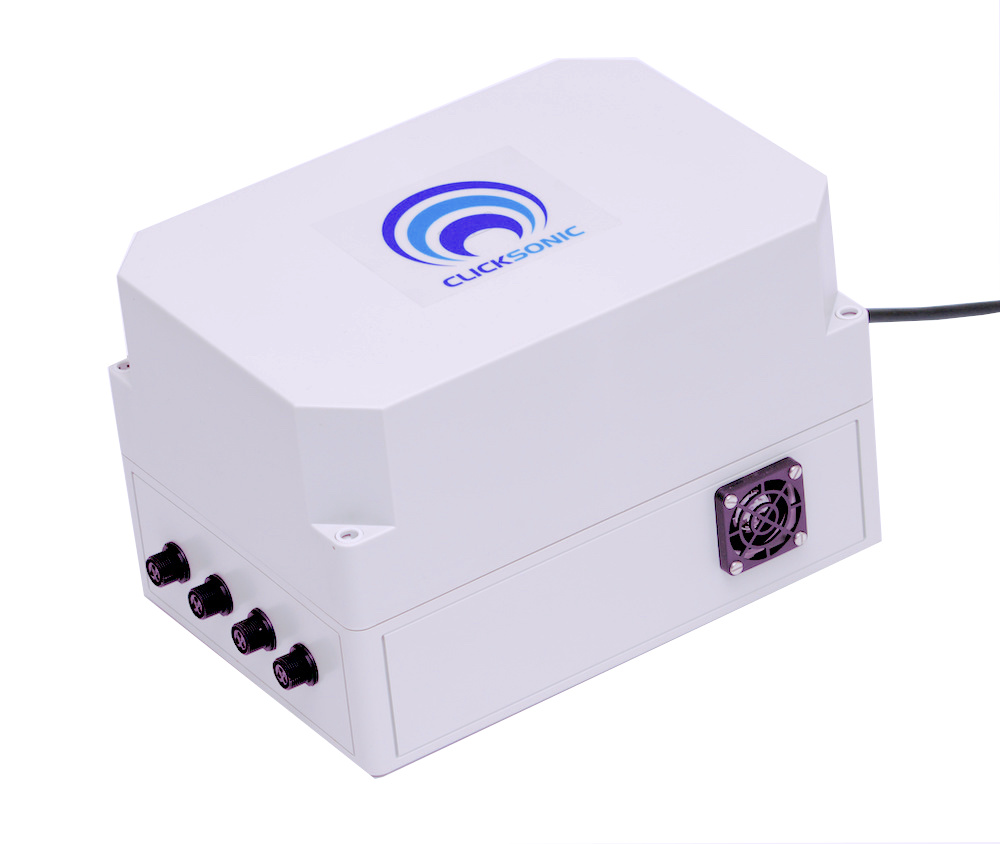
- The range is limited, so several devices may be required for larger bodies of water.
- The effect is not immediate - visible results often only appear after a few days to weeks.
- Does not work in highly agitated, muddy water or nutrient-rich water, see checklist for optimum success.
Typical areas of application
- Ornamental ponds, swimming ponds, natural pools, fish ponds
- Drinking water reservoirs Cooling and process water systems in industry
- Aquaculture Golf course ponds and rainwater retention basins
Conclusion
- Ultrasound for algae control is a sustainable alternative to chemical agents, which can be particularly useful in sensitive ecosystems or in biological water treatment. The prerequisite is careful selection of the right device in terms of range and water type. Numerous scientific studies have proven its effectiveness and sustainability.