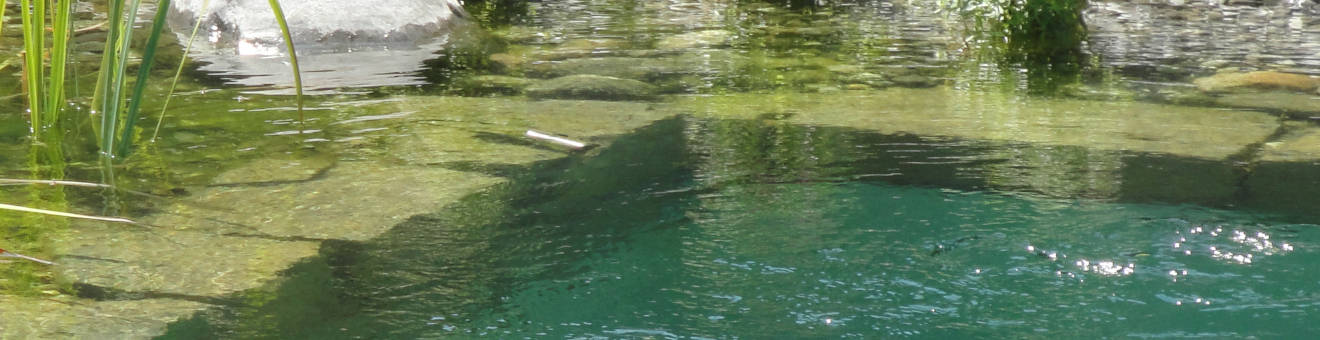
Tips how to reduce the biofilm in ponds
What is a biofilm?
A biofilm in a pond is a complex micro-ecosystem consisting of bacteria (degradation of organic matter, nitrogen cycle), microalgae and cyanobacteria (photosynthesis, colouration), fungi and yeasts (decomposers of heavy plant debris), protozoa such as ciliates and amoebas (bacteria eaters) and microorganisms such as nematodes and small crustaceans (grazers, food source for fish).
Embedded in a protective mucus matrix (EPS), they form a stable, resilient community that breaks down nutrients, binds oxygen, relieves the water and at the same time forms an important basis for the food web in the pond.

Biofilm in swimming ponds & natural pools
The biofilm in natural ponds is a thin, slippery film on stones, liners or concrete and is completely normal. It may be unsightly, but it is not a sign of poor water quality. It is only important that it does not become excessive – i.e. thick, greasy layers or strong odours are more likely to indicate an excess of nutrients.
Why does a biofilm form?
Why does biofilm form? As soon as water comes into contact with natural surfaces (stones, films, wood, plants, walls), microorganisms settle on them. Together with algae and a layer of slime, these microbes form biofilm.
Positive functions in swimming ponds
- Water purification: Bacteria in the biofilm break down organic matter (e.g. skin particles, leaves, pollen).
- Nitrogen cycle: Pollutants such as ammonium and nitrite are converted into less problematic nitrate.
- Food source: Microorganisms eat the biofilm, which in turn is eaten by fish or insect larvae – it is therefore part of the food chain.
- Protection: The biofilm stabilises the microbiome and prevents unwanted germs from spreading uncontrollably.

Biofilm and algae formation reduced
- The intelligent click technology destroys algae (green, brown and filamentous algae) that adhere to it. Image on the left:
The green biofilm coating is visible and reduced by up to 90%.
- Blue-green algae (cyanobacteria) and pathogens (e.g. Escherichia coli bacteria) can accumulate in the biofilm and cause additional slime formation. The clicking sounds attack the hollow-bodied bacteria and provide protection against disease.
<- Algae growth in the acoustic shadow, to the right of the wall light.
The significance for swimming ponds, natural pools and ponds
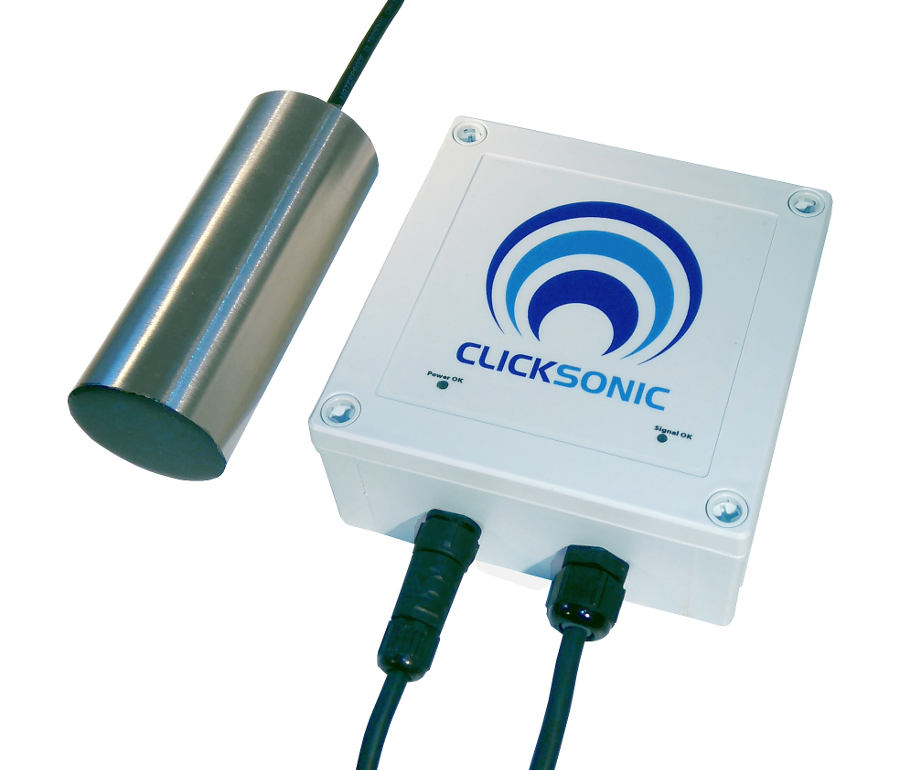
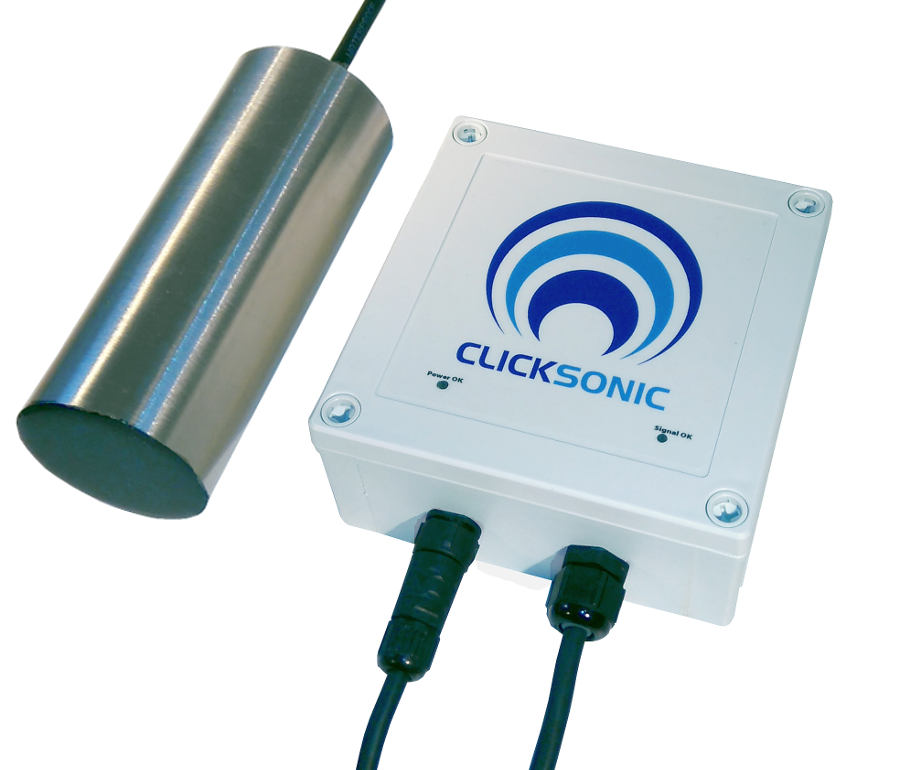
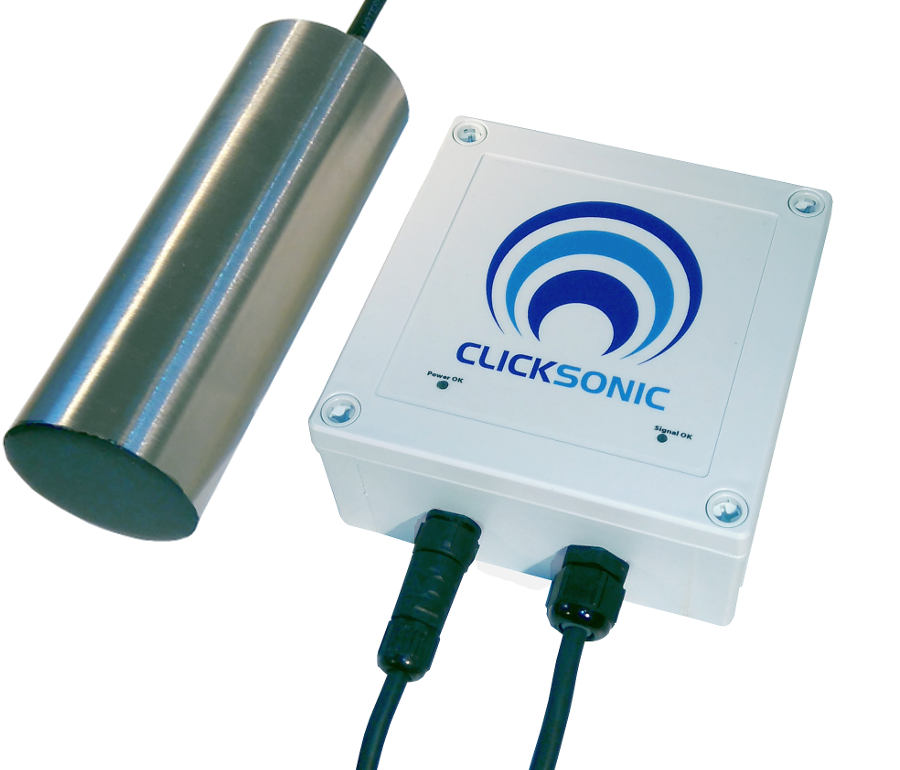
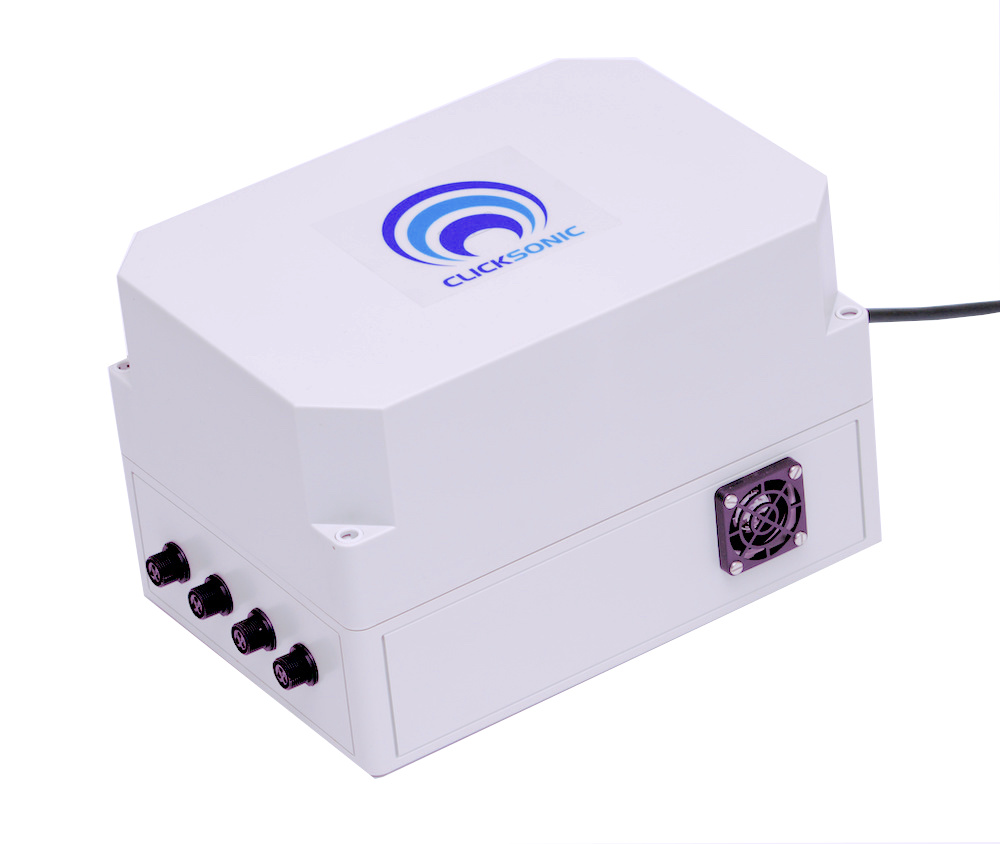
G-Sonic devices at a glance
💡 Conclusion:
- The G-Sonic helps to keep the maintenance low, due to permanent reduction of algae and biofilm growth of up to 90%. The natural pond floor, walls & stairs will be less slippery as no algae adheres on the biofilm.